What The Sound of Dogs teaches us about the languages we choose to learn
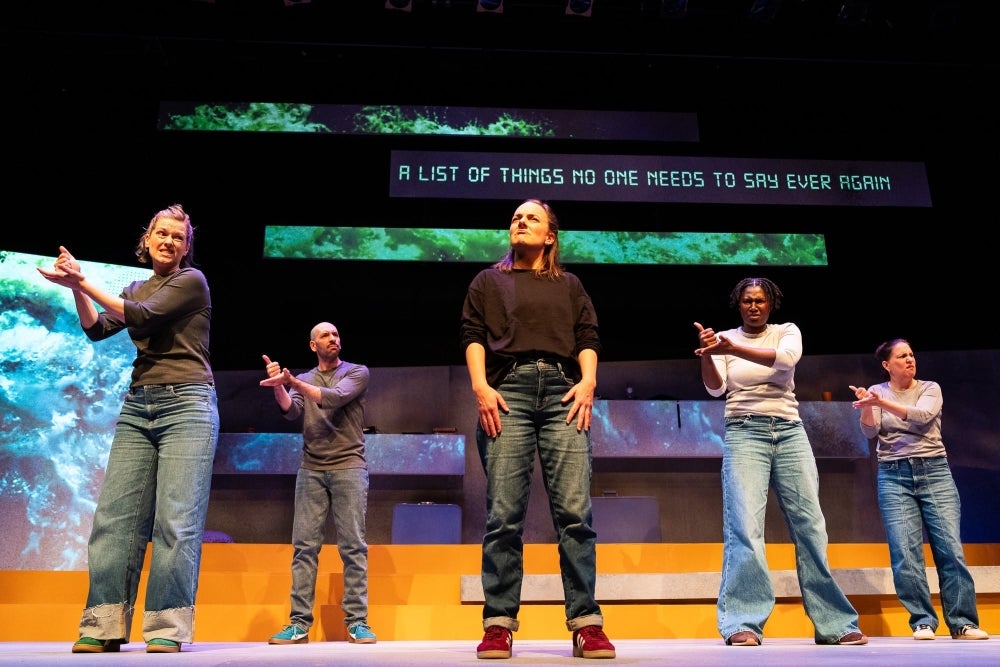
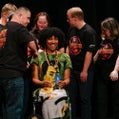
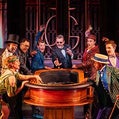
Stepping inside a sold-out performance at the Centaur Theatre on a crisp October night set the tone for a remarkable show to come: the world premiere production of The Sound of Dogs, which was co-produced by Imago Theatre and The Sound of Dogs Collective as part of Centaur’s Brave New Looks series. The show served as a reminder that storytelling-driven theatre in Montreal is not merely surviving, but thriving with inclusivity and purpose.
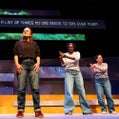
Written by Jennifer Roberts and co-directed by Micheline Chevrier and Pamela Witcher, The Sound of Dogs told the story of CODA (which stands for Child of Deaf Parents), played by Roberts. Blending American Sign Language (ASL), spoken English, movement, and visual technology, the narrative flowed effortlessly between quiet, intimate scenes and observational comedy.
While the audio-visual design of the show was breathtaking, the storytelling particularly excelled in its use of observational humour. A standout scene focused on a date where a relative of CODA listed endless excuses for why learning ASL to communicate with her deaf parents was simply too difficult. The relative claimed it was too late in life for her and that it would be too time-consuming. Yet, moments later, she casually mentioned that she had started learning Japanese, a language known for its complexity in terms of writing patterns and grammar.
This display of hypocrisy wasn’t unique to that scene, of course. It transfers to real life, where learning ASL is largely a matter of willingness, not accessibility. The Sound of Dogs had a very successful world premiere that left a lasting impression on the audiences who visited the Centaur, reinforcing that ASL is a language we should all embrace.
Keep up to date with Imago at imagotheatre.ca